

Building Risk Fluency Into Corporate Culture
What 20 Years of Building Cyber Resilience in Canada Teaches Us About the Agentic Age
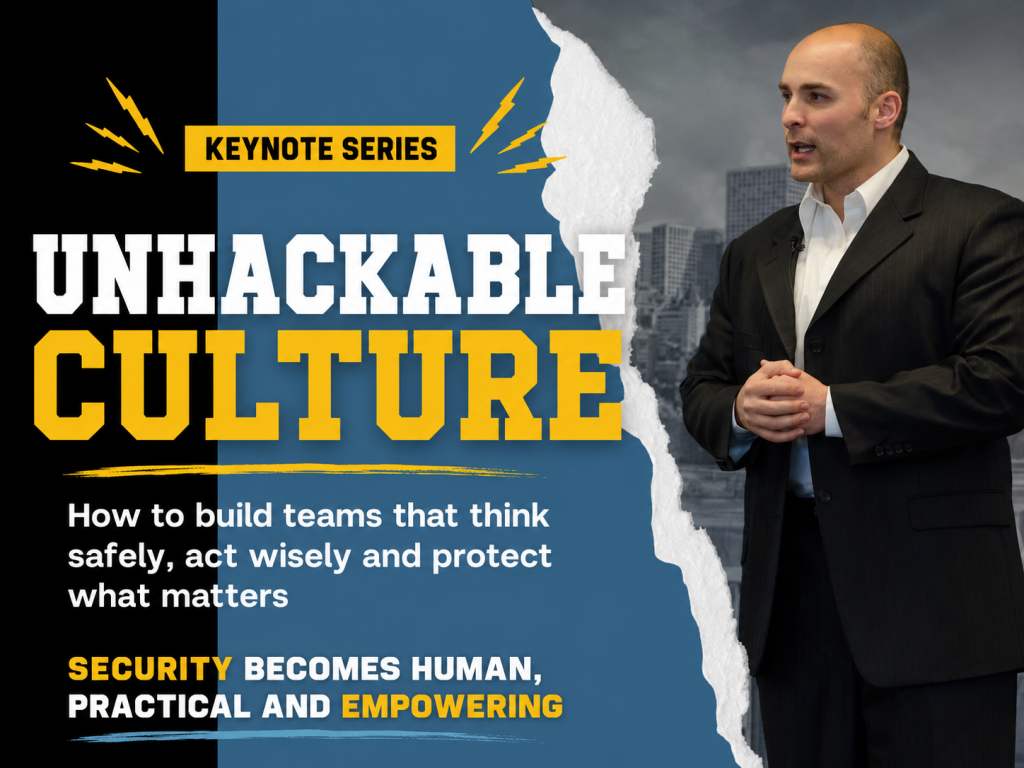
In Building Risk Fluency into Corporate Culture, Claudiu draws on two decades of designing cybersecurity education, risk programs and resilience initiatives for Canadian organizations to explain what carries forward into the agentic age and what needs to change.
Risk fluency means more than knowing the rules. It means recognizing when a situation has changed, understanding the trade-off, knowing the limits of one’s authority and having enough confidence to escalate before a small decision becomes an expensive incident.
Sixty-five per cent of organizations believe their culture needs to change significantly because of AI, yet only 6 per cent of leaders say they are making meaningful progress designing how humans and AI should work together.
That is a cultural problem before it becomes a technical one.
Twenty years ago, building cyber resilience meant teaching people how to recognize phishing, protect credentials, handle information and understand why policies existed. Today, the same employee can ask an AI system to analyze confidential material, delegate a task to an agent, rely on machine-generated research and forward the result into a decision-making process before anyone has established who was responsible for checking it.
Meanwhile, active AI agents in Microsoft’s business ecosystem grew 15-fold in a single year.
Ideal Audiences
Corporate leadership, all-staff events, HR, risk and compliance teams, healthcare, finance, government, professional associations, education and regulated workplaces.
Audience takeaways
- How risk fluency differs from conventional awareness training
- Why agentic AI requires stronger judgment throughout the organization
- How managers influence risk behaviour more effectively than annual training
- How to preserve accountability as work moves between people and machines
- How resilient cultures learn from near misses instead of hiding them
65% say AI requires significant cultural change. Only 6% of leaders report real progress designing human-AI interaction.
Promise:
Turn cybersecurity awareness into organizational judgment that still works when the technology changes.
FAQ
Is this suitable for all employees?
Yes. This keynote is designed for broad workplace audiences, including non-technical employees, managers and leadership teams.
Is this the same as cybersecurity awareness training?
No. It is a keynote about culture, behaviour, judgment and leadership, though it can be paired with training.
Does it include real examples?
Yes. Claudiu uses practical examples to show how fraud, manipulation and risky decisions happen in real organizations.
Can this be delivered virtually?
Yes. It works well as an in-person keynote, virtual event or hybrid session.
Can this be customized for our workplace risks?
Yes. It can be tailored around fraud, phishing, privacy, customer data, internal processes, leadership or sector-specific threats.